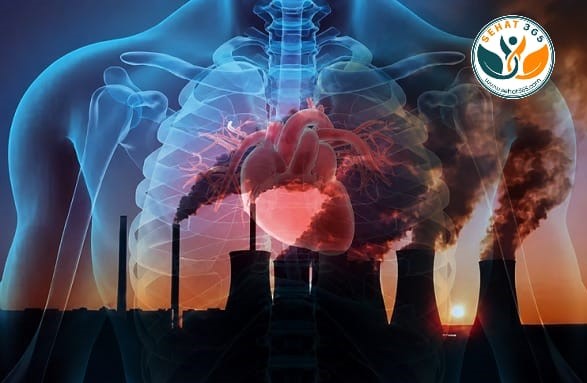
- World Environment Day 5th June Special
New Delhi, Sehat Correspondent
When people think of air pollution, they usually associate it with coughing, asthma, breathlessness, and other respiratory ailments. However, medical experts warn that the most dangerous impact of polluted air may not be on the lungs at all—it could be on the heart. As the world observes World Environment Day on June 5, healthcare professionals are drawing attention to a growing body of evidence linking long-term exposure to air pollution with cardiovascular diseases, including heart attacks, stroke, high blood pressure, irregular heartbeat, and heart failure.
A Silent Threat Beyond the Lungs
Air pollution consists of a complex mixture of harmful gases and microscopic particles. Among these, fine particulate matter known as PM2.5 is considered particularly dangerous because it is small enough to bypass the body’s natural defense mechanisms and enter the bloodstream through the lungs. Once inside the circulation, these particles can trigger inflammation, oxidative stress, and damage to blood vessels. Over time, this process accelerates the narrowing and hardening of arteries, increasing the risk of cardiovascular disease. According to cardiologists, even healthy individuals may experience adverse cardiovascular effects during periods of high pollution, while those with existing heart conditions face an even greater risk.
The Heart-Pollution Connection
Medical studies have shown that prolonged exposure to polluted air can contribute to:
- Increased blood pressure
- Coronary artery disease
- Heart attacks
- Stroke
- Cardiac arrhythmias
- Heart failure
Experts explain that polluted air causes inflammation throughout the body, making blood more prone to clotting and placing additional stress on the heart.
Why Urban Residents Are More Vulnerable
Residents of large metropolitan cities are exposed to pollution from vehicle emissions, industrial activity, construction dust, diesel generators, and waste burning. Continuous exposure to these pollutants increases cumulative health risks over time. Children, senior citizens, pregnant women, and people with diabetes, hypertension, or pre-existing heart disease are particularly vulnerable.
Impact on Children and Future Generations
Air pollution is not only affecting adults. Studies suggest that children exposed to high levels of pollution may develop reduced lung capacity, respiratory illnesses, and an increased likelihood of cardiovascular problems later in life. Health experts warn that protecting children from pollution today is an investment in preventing chronic diseases tomorrow.
What Can Individuals Do?
While large-scale solutions require policy interventions and environmental reforms, individuals can take steps to reduce exposure:
- Monitor daily Air Quality Index (AQI) levels.
- Avoid outdoor exercise during periods of poor air quality.
- Use properly fitted masks during severe pollution episodes.
- Maintain indoor air quality through ventilation and air purification where feasible.
- Adopt a heart-healthy lifestyle including regular exercise, balanced nutrition, and smoking cessation.
An Environmental Issue and a Public Health Emergency
Doctors emphasize that air pollution should no longer be viewed solely as an environmental concern. It has evolved into a major public health challenge affecting multiple organs and increasing the burden of chronic diseases. On this World Environment Day, experts are calling for stronger action to improve air quality, promote cleaner energy sources, and increase public awareness about the hidden health consequences of pollution. Because every breath we take influences not only our lungs but also the health of our heart.
Note- Inputs by Dr. GS Khilnani, Chairman, Institute of Pulmonary, Critical Care and Sleep Medicine department. PSRI Hospital and Interventional Cardiologist Dr (Prof)Tarun Kumar. Medanta Medcity.
