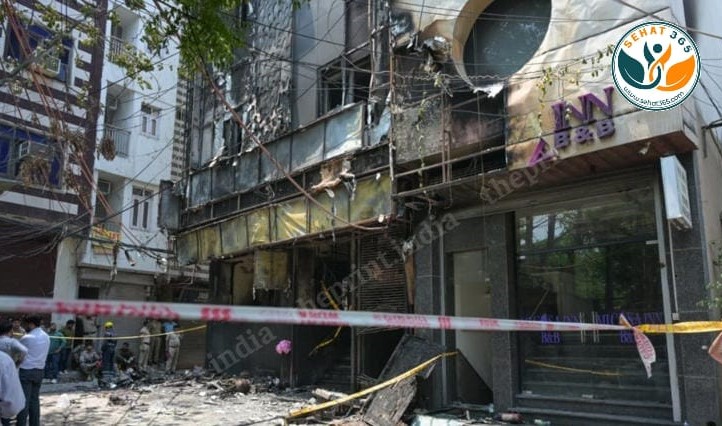
- Malviya Nagar Hotel Fire Raises Concerns Over Burn Care Preparedness and Smoke Inhalation Risks
New Delhi, June 4: The tragic fire at a hotel in Delhi’s Malviya Nagar area, which claimed over 20 lives and left several others injured, has once again highlighted the often-overlooked health consequences of fire-related disasters, particularly smoke inhalation and severe burn injuries. Meanwhile CM Rekha Gupta visited the Max Saket hospital to get more update about injured people admitted in hospital on Thursday morning.
According to emergency medicine and critical care experts, many fire victims do not succumb to burns alone. In enclosed spaces such as hotels, toxic smoke inhalation can cause rapid oxygen deprivation, respiratory failure, and cardiac complications. Exposure to carbon monoxide and other poisonous gases can prove fatal within minutes, even when external burn injuries appear limited.
Doctors point out that survivors rescued from such incidents may continue to face serious health complications, including lung damage, infections, psychological trauma, and long-term disability resulting from deep burns. Patients with extensive burns often require prolonged intensive care, multiple surgeries, skin grafting procedures, and months of rehabilitation.
The incident has also brought attention to the importance of emergency preparedness in public establishments. Health experts stress that functioning smoke detectors, fire alarms, emergency exits, and regular evacuation drills can significantly reduce casualties during fire emergencies. Early warning systems are particularly critical in hotels where occupants may be asleep or unfamiliar with the building layout.
Mental health professionals note that survivors, family members, and first responders may experience post-traumatic stress, anxiety, depression, and sleep disturbances following such disasters. Timely psychological counselling should therefore be considered an essential component of post-disaster healthcare.
Public health specialists are urging authorities to conduct comprehensive fire-safety audits of hotels, hospitals, hostels, and commercial buildings across the capital. They emphasize that prevention remains the most effective strategy, as healthcare systems often face immense pressure when dealing with multiple burn victims simultaneously.
The Malviya Nagar tragedy serves as a stark reminder that fire safety is not merely a regulatory requirement but a critical public health issue. Experts believe that stricter enforcement of safety norms, coupled with greater public awareness about fire emergencies, could help prevent similar incidents in the future.
Smoke Inhalation is often Dangerous then the flame.
“In most closed-space fires, smoke inhalation is often more dangerous than the flames themselves. Immediate evacuation, functioning alarms, and accessible exits are the key factors that save lives,” says a senior emergency medicine specialist at Safderjung Burn Centre.
